

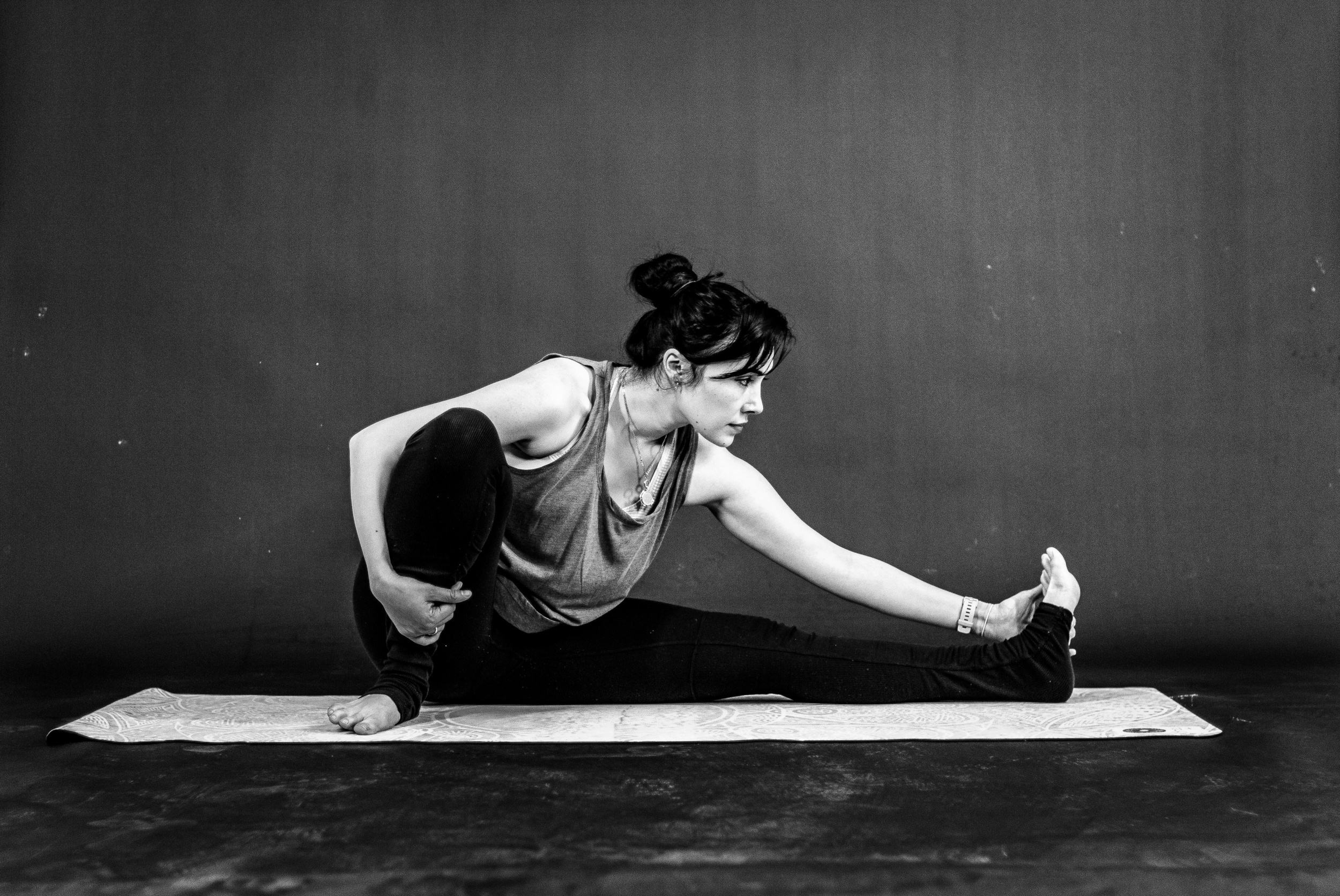
Mobility exercises and flexibility benefits are essential for lifelong vitality because they preserve joint range of motion and functional strength as we age. Flexibility and mobility are foundational for everyday tasks—such as walking, reaching, and bending—and help reduce pain by preventing muscle imbalances and joint stiffness that commonly arise from sedentary lifestyles. Incorporating these practices as part of a longevity movement routine enables better metabolic health, improved posture, and sustained independence well into older age.
Beyond reducing injury risk by preserving muscle length and joint function, regular mobility exercises like hip circles and thoracic rotations counteract the stiffness that accumulates from daily inactivity. Dynamic flows combining resistance training with mobility patterns improve movement quality and metabolic efficiency compared to age-matched peers who do not engage in structured movement programs. These benefits extend beyond athletic performance and into real-life activities, supporting a resilient body that is better equipped to adapt to stressors, maintain balance, and prevent falls as part of optimal aging.
What Are the Best Mobility Exercises?
Mobility exercises target specific joints and muscles to improve functional range and reduce daily movement restrictions. According to the Harvard Health resource on mobility protection, consistent stretching and mobility-focused exercises increase range of motion, strengthen connective tissues, and improve balance while reducing injury risk. Proper sequencing of mobility drills—starting with simple joint rotations and progressing to compound flows—provides a solid foundation that supports both athletic performance and everyday functional movement.
- Ankle dorsiflexion drills support pain-free squatting and walking.
- Calf stretches with straps release tightness from prolonged sitting.
- Glute activations paired with hamstring threading prevent lower back compensations.
- Cat-cow progressions and bird-dog builds spinal stability.
- Dynamic hip shifts restore internal rotation lost with sedentary habits.
- Thoracic rotations enhance upper back mobility for better posture.
- Shoulder mobility drills improve overhead reach and arm function.
- Controlled dynamic lunges enhance mobility and strength concurrently.
How Does Flexibility Improve Longevity?
Flexibility benefits influence vascular health, movement efficiency, and long-term survival outcomes. Based on a study published in PubMed, regular stretching routines significantly reduced arterial stiffness and improved vascular function, which are key factors in lowering cardiovascular risk and promoting longevity. Flexible muscles and joints allow people to stay active longer, supporting heart health, metabolic function, and neurological coordination. Additionally, improved flexibility often correlates with better balance, reducing fall risk—a major concern for aging populations.
- Reduced arterial stiffness supports cardiovascular longevity.
- Enhanced VO2 max through dynamic mobility promotes efficient oxygen use.
- Fast-twitch fiber preservation via plyometric movement supports fall prevention.
- Elastic muscles absorb shock, reducing joint wear and tear.
- Daily flexibility work supports sustained physical activity.
- Better motion range allows safer engagement in functional tasks.
- Regular stretching improves posture and reduces chronic pain.
- Flexibility training enhances recovery after exercise or exertion.
Flexibility Benefits for Daily Life
Flexibility and mobility exercises improve ease of performing daily tasks by maintaining elastic muscle length and functional joint range. According to Mayo Clinic, stretching and mobility training enhance posture, reduce pain, and increase functional independence, making tasks like lifting, bending, and reaching more efficient and safer. Regular movement routines also improve blood flow and tissue repair, supporting overall musculoskeletal health and reducing age-related stiffness.
- Shoe-tying becomes effortless with improved spinal and hip flexibility.
- Hip mobility drills reduce knee discomfort during everyday tasks.
- Core-integrated moves like Turkish get-ups mimic real-world lifting demands.
- Flexibility work improves balance, reducing fall risk in daily life.
- Joint mobility supports prolonged standing with reduced discomfort.
- Enhanced movement control reduces back strain while bending.
- Mobility practices improve confidence during dynamic tasks.
- Stretching increases joint lubrication, improving smooth motion.
Common Myths About Flexibility Training
Flexibility training is often surrounded by misconceptions that can prevent people from fully benefiting from it. A common myth is that static stretching before workouts improves performance; however, research shows it can temporarily reduce strength and power. Dynamic mobility exercises, on the other hand, better prepare the nervous system and muscles for movement. Another misconception is that extreme positions, like full splits, are necessary to be considered flexible, whereas functional ranges—sufficient for daily tasks—are both practical and beneficial.
In reality, mobility is more than stretching; it requires strength, control, and consistent practice. Hybrid movement programs that combine flexibility and mobility yield greater joint health than isolated stretching alone. Regular motion prevents stiffness more effectively than occasional intense sessions, while proper technique ensures safe and efficient movement. Dynamic mobility exercises also prime muscles and joints for performance, supporting both everyday activities and longevity-focused movement routines.
Conclusion
Flexibility benefits combined with mobility exercises form the foundation of a longevity movement that supports pain-free aging and sustained biomechanical efficiency. Consistent movement practices preserve joint range of motion, enhance blood flow, and reduce injury risk, enabling individuals to remain active and independent well into older age. By embedding mobility drills and flexibility work into everyday routines, people improve not only athletic performance but also everyday functional capabilities like reaching, bending, and lifting. These benefits collectively support metabolic health, balance, and cardiovascular function, reinforcing resilience against age-related declines.
Integrating both static stretching and dynamic mobility into exercise regimens ensures a balanced approach to lifelong movement health. When practiced regularly, these routines contribute meaningfully to quality of life, transforming chronological age into biological resilience. Whether through daily stretching, structured mobility flows, or compound movement patterns, maintaining flexibility and mobility promotes ongoing vitality and independence across generations.
Frequently Asked Questions
1. How do mobility exercises reduce injury risk?
Mobility exercises improve joint range of motion and muscle coordination, allowing for smoother movement patterns. Increased range reduces unnecessary strain on muscles and connective tissues during daily tasks. Improved joint lubrication and synovial fluid distribution support better mechanical function. This results in a reduced risk of muscle pulls, joint pain, and overuse injuries.
2. How often should I do mobility exercises for flexibility benefits?
Experts recommend at least 3–4 sessions per week to see meaningful improvements. Consistency matters more than intensity for long-term gains. Short daily routines of 10–20 minutes can help maintain joint function. Combining dynamic and static movements offers balanced flexibility and mobility improvements.
3. Can flexibility exercises help with aging‑related stiffness?
Yes, stretching and mobility work counteract age-related muscle shortening and joint stiffness. They enhance blood flow, which supports tissue health and recovery. This helps older adults maintain independence and reduce fall risk. Better motion leads to improved posture and reduced pain in daily life.
4. What’s the difference between mobility and flexibility?
Flexibility refers to a muscle’s ability to lengthen across a joint. Mobility includes flexibility plus strength and control throughout movement. Flexibility is passive; mobility is active and functional. Both are important, but mobility ensures usable movement in real-world tasks.
#Flexibility #Mobility #Exercises #Essential #Lifelong #Vitality #Joint #Health






Leave a Reply